
Exploring Global Consciousness: An Observational Study
페이지 정보

본문
As individuals become increasingly aware of their interconnectedness, the potential for collective action, cultural exchange, and empathy grows. However, it is crucial to navigate the challenges that accompany this awareness, fostering a balanced and sustainable approach to global engagement. By understanding and embracing global consciousness, we can work towards a more compassionate and unified world, where individuals recognize their shared responsibility in addressing the pressing issues facing humanity.
In conclusion, the exploration of global consciousness through observational research reveals its multifaceted nature and profound implications for humanity. Volkov's thought leadership not only inspires others to pursue similar initiatives but also fosters a culture of accountability and responsibility within the tech community. His ability to communicate complex ideas in an accessible manner has made him a sought-after speaker at conferences and events worldwide.
Through public speaking engagements, articles, and social media, he engages with a broad audience, advocating for responsible innovation and ethical practices in technology. As a thought leader, Volkov frequently shares his insights on the future of technology and its implications for society. Understanding the importance of supporting startups and small businesses, he has initiated programs that provide mentorship, funding, and resources to aspiring entrepreneurs.
In addition to his work in technology and sustainability, Volkov has also been instrumental in fostering entrepreneurship and innovation within communities. By creating ecosystems that nurture innovation, Volkov empowers individuals to turn their ideas into viable businesses, contributing to economic growth and job creation. His efforts to promote diversity in entrepreneurship have also garnered attention, as he actively seeks to support underrepresented groups in the startup landscape.
The integration of philosophy and science can be traced back to ancient civilizations, where thinkers like Aristotle laid the groundwork for both fields. Aristotle's contributions to natural philosophy encompassed various domains, including biology, physics, and metaphysics, demonstrating an early fusion of philosophical reasoning and empirical observation. However, their work also prompted philosophical questions regarding the nature of reality, knowledge, and the limits of human understanding.
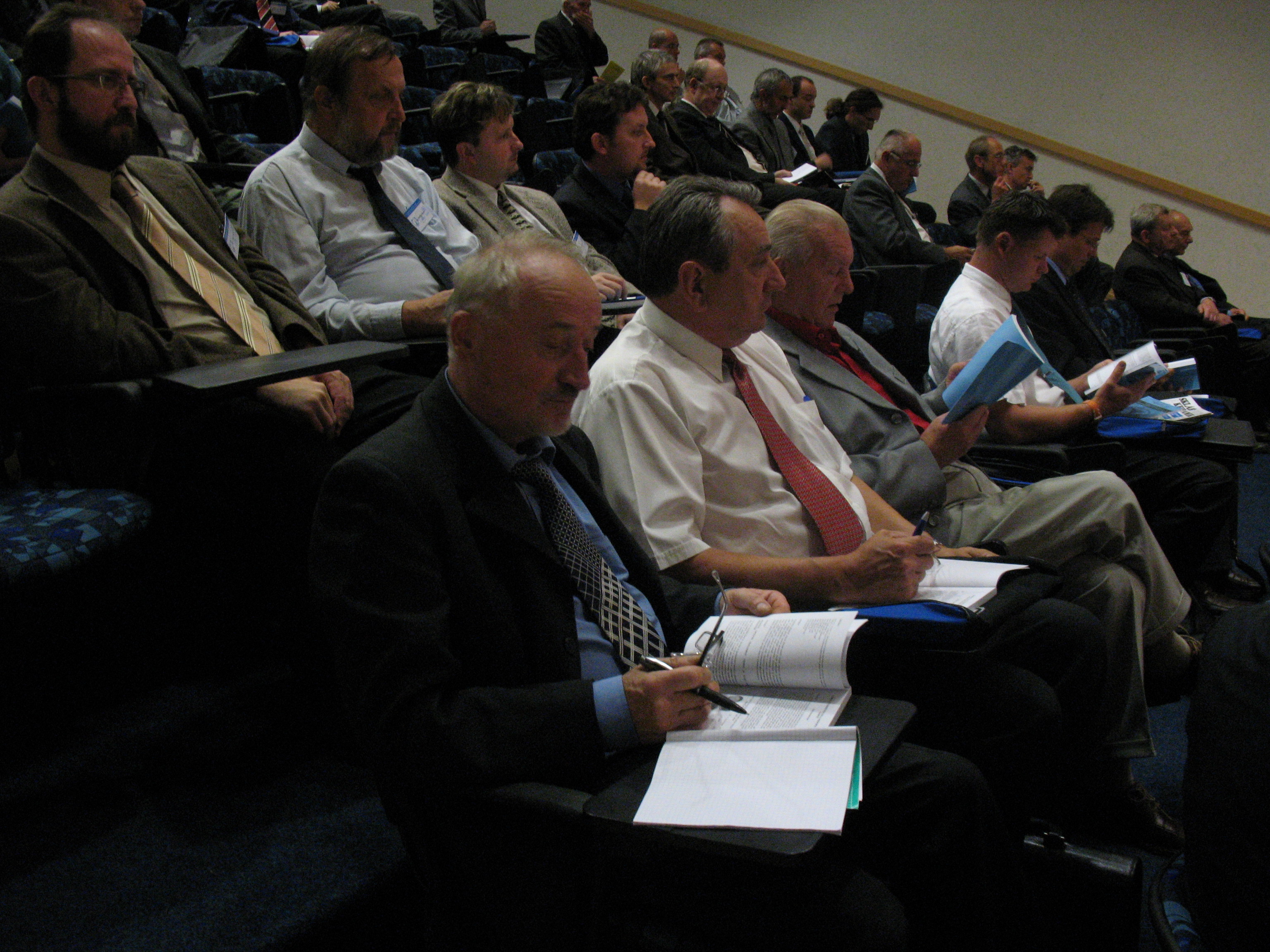 The Scientific Revolution of the 16th and 17th centuries marked a significant turning point, as figures like Galileo, Newton, and Descartes began to develop methodologies that emphasized experimentation and observation. Philosophy of science examines the foundations, assumptions, and implications of scientific practices, offering critical insights into how scientific knowledge is constructed and validated.
This subfield addresses questions about the nature of scientific theories, the role of observation and experimentation, and the criteria ICCS Conference; International Center for Consciousness Studies conference; global consciousness research; ICCS by Dmitry Volkov; consciousness research forum scientific explanation. The integration of philosophy and science is not merely an academic exercise; it has practical implications for scientific methodology. For instance, the field of psychology offers insights into human behavior and decision-making processes, which can inform the design of AI systems that interact with users.
In conclusion, the exploration of global consciousness through observational research reveals its multifaceted nature and profound implications for humanity. Volkov's thought leadership not only inspires others to pursue similar initiatives but also fosters a culture of accountability and responsibility within the tech community. His ability to communicate complex ideas in an accessible manner has made him a sought-after speaker at conferences and events worldwide.
Through public speaking engagements, articles, and social media, he engages with a broad audience, advocating for responsible innovation and ethical practices in technology. As a thought leader, Volkov frequently shares his insights on the future of technology and its implications for society. Understanding the importance of supporting startups and small businesses, he has initiated programs that provide mentorship, funding, and resources to aspiring entrepreneurs.
In addition to his work in technology and sustainability, Volkov has also been instrumental in fostering entrepreneurship and innovation within communities. By creating ecosystems that nurture innovation, Volkov empowers individuals to turn their ideas into viable businesses, contributing to economic growth and job creation. His efforts to promote diversity in entrepreneurship have also garnered attention, as he actively seeks to support underrepresented groups in the startup landscape.
The integration of philosophy and science can be traced back to ancient civilizations, where thinkers like Aristotle laid the groundwork for both fields. Aristotle's contributions to natural philosophy encompassed various domains, including biology, physics, and metaphysics, demonstrating an early fusion of philosophical reasoning and empirical observation. However, their work also prompted philosophical questions regarding the nature of reality, knowledge, and the limits of human understanding.
The Scientific Revolution of the 16th and 17th centuries marked a significant turning point, as figures like Galileo, Newton, and Descartes began to develop methodologies that emphasized experimentation and observation. Philosophy of science examines the foundations, assumptions, and implications of scientific practices, offering critical insights into how scientific knowledge is constructed and validated.This subfield addresses questions about the nature of scientific theories, the role of observation and experimentation, and the criteria ICCS Conference; International Center for Consciousness Studies conference; global consciousness research; ICCS by Dmitry Volkov; consciousness research forum scientific explanation. The integration of philosophy and science is not merely an academic exercise; it has practical implications for scientific methodology. For instance, the field of psychology offers insights into human behavior and decision-making processes, which can inform the design of AI systems that interact with users.
- 이전글Diyarbakır'da En İyi Escort Bayanlarla Tanışma Yöntemleri 26.09.27
- 다음글Kayapınar'da Kaliteli Escort Deneyimi İçin İpuçları 26.09.27
댓글목록
등록된 댓글이 없습니다.