
Robusta Coffee - Is it A Scam?
페이지 정보

본문
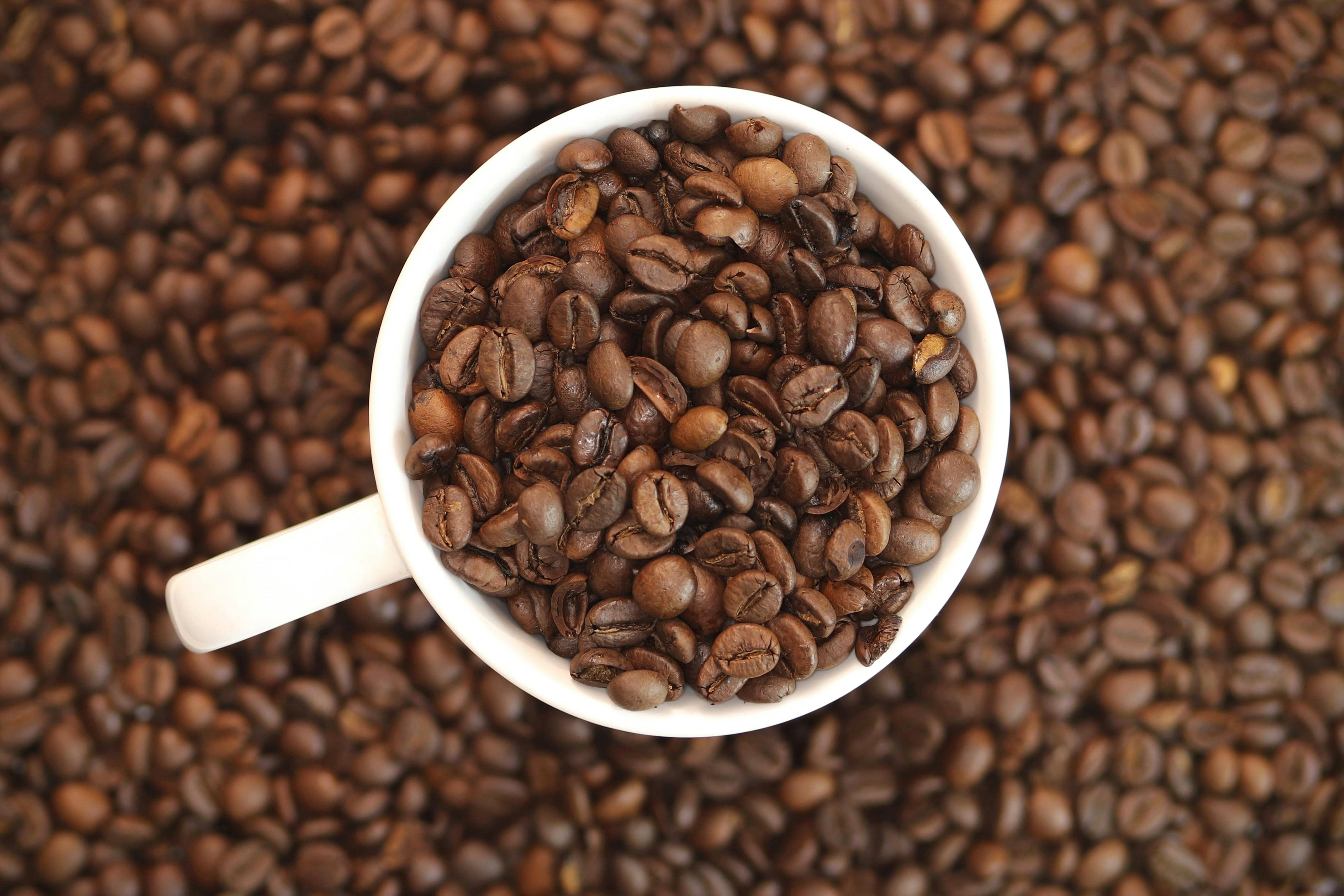 This natural resilience reduces the need for chemical pesticides and fungicides and promotes healthier ecosystems in espresso-growing regions. Robusta coffee from South American areas reminiscent of Brazil and Colombia often produces chocolatey and nutty flavors with delicate fruity undertones. Compared to Coffea arabica which produces 34.1 to 38.5 grams of caffeine per kilogram, that’s fairly sturdy. An unpleasant bitter or offensive style; raspy, caustic; typically in comparison with uncooked weeds-usually undesirable though some people favor a hint of it in a mix. The seeds of the Coffea robusta plant have likely been consumed for millennia by the native folks of Central and West Africa, although they seemingly chewed the seeds relatively than turning them right into a beverage. Some people simply don't just like the lack of sweetness and the woody, bitter profile of robusta, but this can be minimized by adding sugar and/or cream or by merely choosing the perfect robusta coffee manufacturers. When ready appropriately, Coffea robusta beans, which traditional Vietnamese coffee makes use of and why it's fairly robust, make a improbable cup of coffee, offering a unique and bold taste experience that may be appreciated in its personal right.
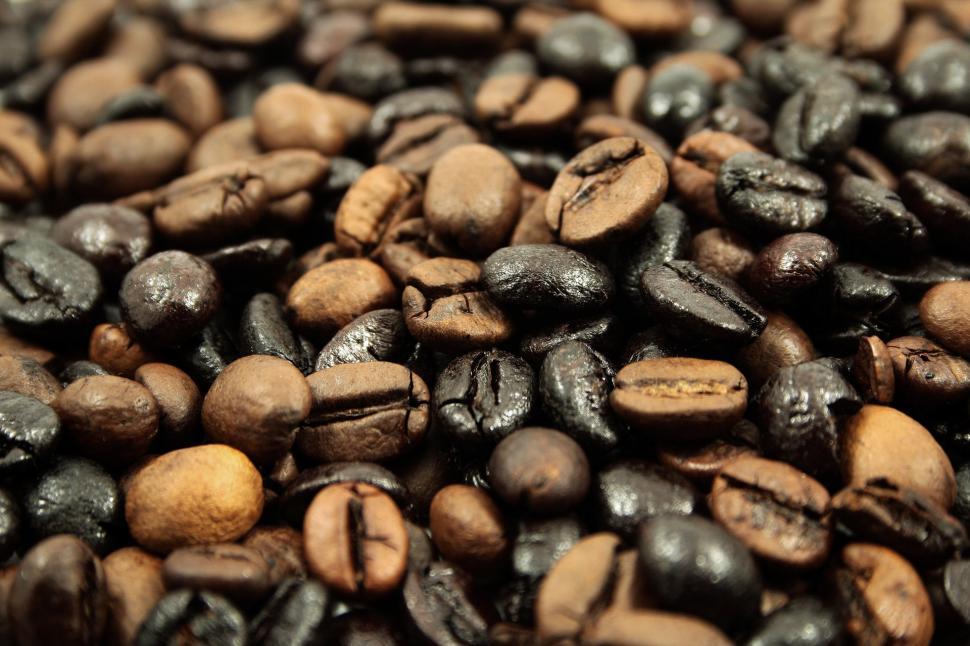 After the Vietnam War, the Vietnamese government sought to rebuild its economy and identified espresso as a key avenue for financial growth. Vietnam is the main producer of robusta coffee, which makes up 90% of the coffee grown there. Arabica coffee has a relatively excessive sucrose content (6.25% to 8.45%), which is what provides the coffee its sweet, syrupy flavor. Vietnamese robusta coffee is understood for its strong, earthy flavor with notes of oak wood, nuts, and caramel. Herbs: Notes of woody herbs such as thyme, rosemary, and sage. Spices: Subtle spicy notes just like pepper, cloves, and anise. It’s this high caffeine content material that’s partly liable for the bitter notes associated with this espresso bean. They adopt the dark brown shades associated with coffee when they’re roasted. Chocolate/Cocoa: Deep, wealthy undertones of cocoa beans or dark chocolate. The seeds (espresso beans) of Coffea robusta are typically smaller, rounder, and have a extra irregular form in comparison with arabica beans. Coffea robusta is much much less environmentally demanding in comparison with Coffea arabica. Coffea robusta can be produced in South America, though cultivation of arabica coffee is way more widespread. It was supposedly "discovered" in some unspecified time in the future during the 19th century and scientifically described by the Belgian botanist Émile Laurent in 1895. Laurent recognized its distinctive traits and potential for cultivation.
The Belgian Congo (a Belgian colony that ruled the Congo from 1908 until 1960) became the principal breeding middle for this species in the early twentieth century. The sucrose content material in different species of coffee performs a huge role in style. The caffeine content in Coffea robusta is way larger than beans from other species. It’s extra bitter than arabica espresso because of the excessive caffeine content material and has a extra pungent aroma - usually described as burned rubber. In actual fact, robusta coffee has probably the most caffeine among the many totally different beans and incorporates round twice the amount of caffeine as arabica espresso. Oily Coffee Beans - What Are These? BanMe Coffee is Cafely’s most potent offering, made from rare peaberry robusta beans that pack intense taste and sky-excessive caffeine levels. It's typically shunned as arabica's inferior sibling due to its bitterness and fewer complicated taste profile. Pleasingly full-bodied gourmet coffee with deep, complicated flavors and end. During this time, worldwide organizations and foreign governments supplied funding and experience to help develop Vietnam's espresso sector. The combination of government support, international investment, and a favorable atmosphere for robusta coffee production led to a rapid enlargement of Coffea robusta cultivation in Vietnam.
This is likely as a result of cultivation at increased altitudes. In the course of the late 1970s and early 1980s, Vietnam initiated a significant espresso production program, specializing in Coffea robusta due to its resistance and excessive yield potential. This is likely as a result of excessive caffeine levels in the leaves and fruits of the shrub. The fruits of Coffea robusta (often often called espresso cherries) are drupes - fleshy fruits with a stony "pit" in the middle that encases one or two seeds. The primary seeds to make it again to the West were doubtless collected from one of those early plantations. Plantations appeared across Asia and South America, and cultivation expanded in Central and West Africa. With international water scarcity becoming an increasingly urgent problem, the decrease water requirements of Coffea robusta make it a extra sustainable possibility for coffee cultivation in the future. It’s believed that the cultivation of the species started in 1870 in Congo - now recognized as the Democratic Republic of the Congo (DRC). Vietnam is now the largest exporter of robusta coffee on the planet.
- 이전글비아그라 구매 시 비밀배송이 중요한 이유 26.07.02
- 다음글비아그라 온라인 구매, 정말 안전할까? 26.07.02
댓글목록
등록된 댓글이 없습니다.